
There's more than one right way to write. In fact, neurodivergent authors have been pushing the boundaries and changing the game of literature for a very long time. Whether you're a writer or an editor, come learn more about different, fascinating, and beautiful ways to approach writing.

While there is a wide variety of writing styles in the world, certain patterns may pop up when the writer is neurodivergent. This course offers an opportunity to learn, explore, and include more differences in writing styles and approaches. 


As being neurodivergent can influence how writers think and create, we’ll review neurodivergent experiences, then dive into different aspects of writing style, from sentence-level and structure-level to dialogue and characterization.
“Even with more than twenty-five years in the book publishing industry, I learned new things! I found the course to be truly insightful, with rich content that directly applied to my work with writers.”
BETH WRIGHT, WRITING COACH, EDITOR, AND PUBLISHING CONSULTANT WITH WRIGHT FOR WRITERS LLC

This self-led course is for you if:

  • You want to explore different writing styles.
  • You're an editor who works with a variety of authors.
  • You're an author who wants to explore writing possibilities.

This self-led course is NOT for you if:

  • You are looking for a how-to guide to writing a novel.
  • You want to understand the one correct way to write.
  • You believe in a single path for writing, editing, and feedback.

This course is for people of all neurotypes, whether you’re neurodivergent, neurotypical, questioning, or at any other spot in the neurodiversity spectrum. 


If you’re curious about writing styles, you’ve come to the right place.

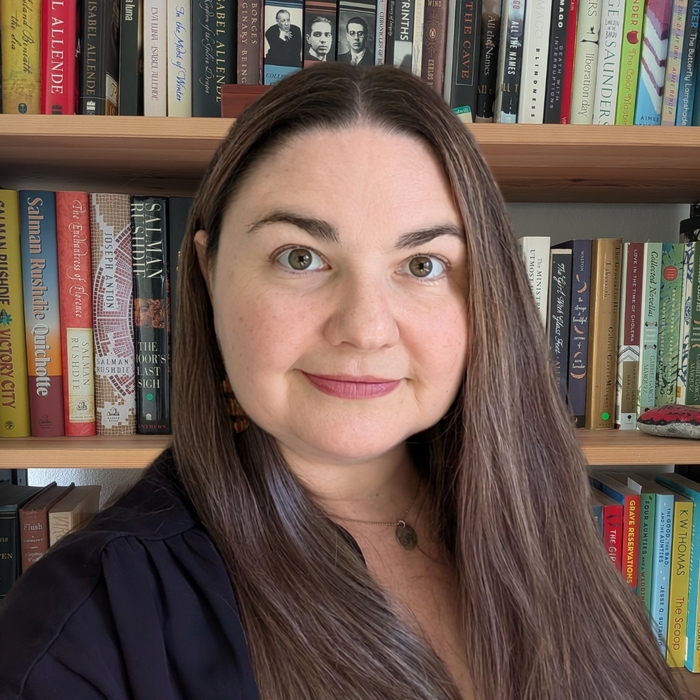
Laura Burge, Editor, Author, Writing Coach

I am an author, editor, writing coach, and public speaker who is passionate about stories as well as the use and evolution of language. I’ve worked on hundreds of books with publishers and independent authors. I focus on fiction and work across multiple genres, though I have a special affection for fantasy, science fiction, magical realism and fabulism.


I also speak and give presentations at various conferences and professional events, including CIEP, ACES, and Red Pencil Conference. My topics have included neurodiversity, self-accommodations, story structure, building community, and more. 


As a neurodivergent writer and editor myself, I work with a lot of neurodivergent authors and delight in exploring and sharing the differing voices, styles, and communication methods that work best for each individual.

The 8 Lessons for Don't Hide That Style!

Lesson One: Too much, too little, too unrelatable, Too weird, too unlikeable
This lesson gets into the various ways that neurodivergent writers may push the boundaries of writing conventions.

Lesson Two: Sensory perception & experiences
Our experience of the world exists largely through our senses--so how will you convey your experience if your senses work differently?

Lesson Three: Emotions for Characters and Narrators
This lesson dives into how emotions come across on the page, when to adjust the writing, and when it's done intentionally.

Lesson Four: Dialogue and Thoughts in Fiction
In both thoughts and dialogue, the characters’ voices, mental states, and neurotypes really stand out. It’s when the author has a chance to show their characters more closely. 

Lesson Five: Looking at Story Structure
There are certain ways that stories tend to be told and certain structures that are expected or else are considered experimental. Neurodivergent writers often find the gaps in between these understandings and produce something different.

Lesson Six: Exploring Sentence Structure
Sentence structure seems to be bound by specific and unbreakable rules, but language is meant to change, to shift, and to thrive in new usages. People dictate how we communicate and what thrives in our languages while grammar, style guides, and dictionaries follow along.

Lesson Seven: Setting
Setting is a way for writers to help readers understand and orient themselves in the story’s world. This is one aspect that can feel like it has an “objectively correct” method, including exactly how much description is included and when.

Lesson Eight: Differences in the Perception of Time
The way that neurodivergent people experience time can occur in multiple different ways and places in writing.

Don't Hide That Style! Shiny Writing for Shiny Brains Sign-Up 

Pay-What-You Can Option

  • 8 lessons
  • Loads of examples, questions, and resources
  • A certificate of completion
  • Exercises for each lesson

Buy Now (Course Launches November 18)

Pay what you can!
Come learn about the different ways that writers express themselves!